The thing that sets Jimboomba apart from the newer, sewered suburbs around it is that most of the township is on-site for its own wastewater. Jimboomba grew as an established acreage community rather than a masterplanned estate - the 2021 Census recorded 18,013 people in 5,884 dwellings, almost entirely separate houses (98.3%) on larger family lots, with a median age of 37. Because so much of that land is unsewered, effluent has to be treated and dispersed on the block itself, and that turns the wastewater system into the first thing a new build has to get right - not the last.
In Queensland, a new home on an unsewered lot needs an on-site site-and-soil evaluation before an effluent system can be approved. That requirement comes from the state framework for on-site sewerage - the Plumbing and Drainage Act 2018 and the Queensland Plumbing and Wastewater Code - not from any one contractor, and the evaluation looks at the soil, slope and site conditions to work out how the land can safely take treated wastewater. For a Jimboomba block that assessment is lodged with Logan City Council, which is the assessing authority for on-site sewerage work in the district. Alongside it, a new detached house is designed to AS 2870, so the block also needs a site classification grading it for expected ground movement from Class A through to Class P.
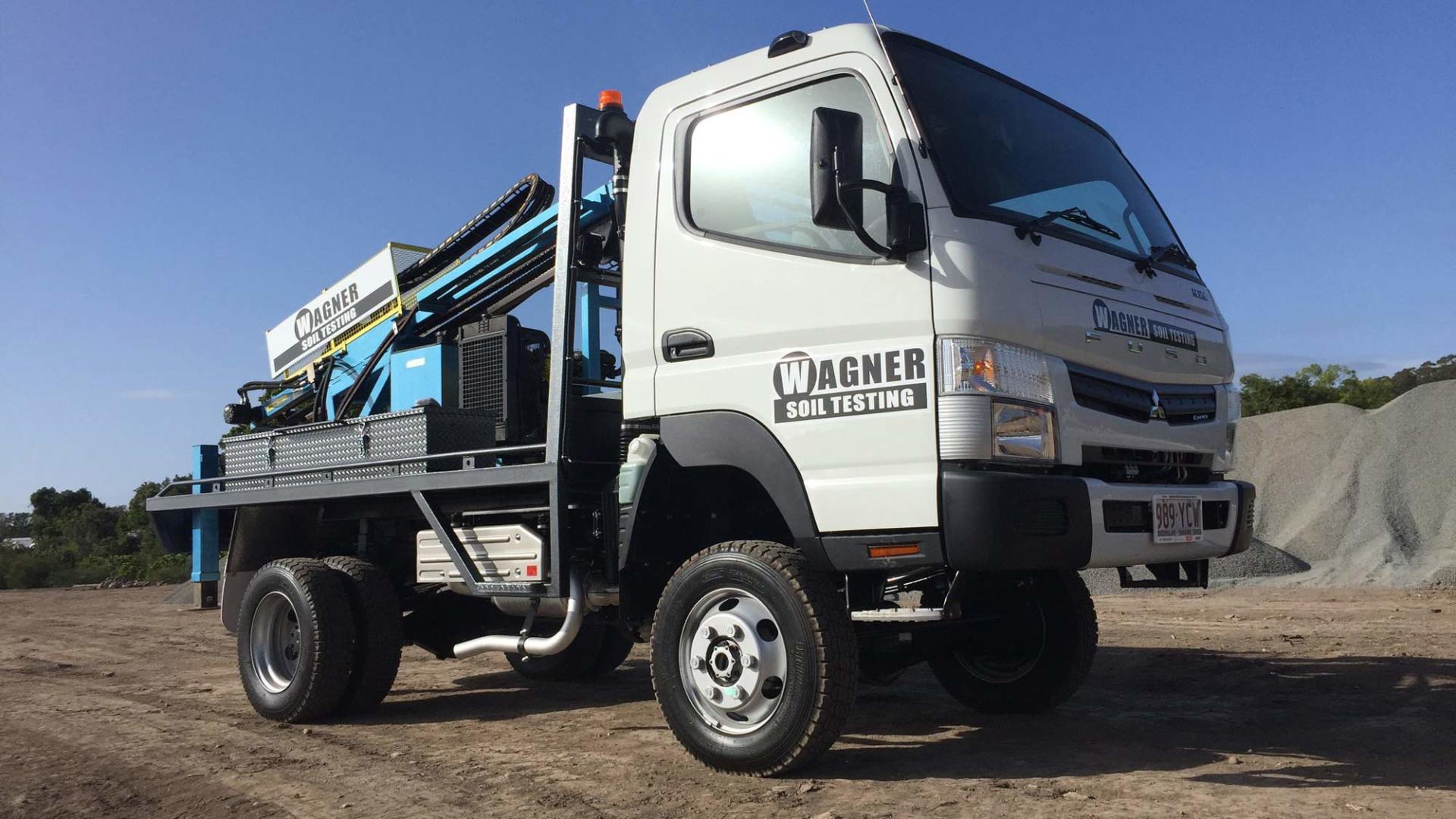
Why test each block rather than assume? Jimboomba sits on the Logan and Albert river flats, and the district's soils range from river-flat alluvium through to heavier clays. Those behave very differently - alluvial ground can be soft or variable, while heavier clay can shrink and swell with the seasons - so a result from a neighbouring lot tells you little about yours. Wagner Soil Testing covers both reports from one visit: our documented process drills two 2-metre boreholes near the proposed footings with bearing-capacity tests beside them for the classification, and our effluent-disposal service tests the block to find the best on-site option and designs the system, or advises where sewer is the better choice. Every sample is analysed in Wagner's own NATA-accredited laboratory, so an acreage owner is not chasing two providers for two reports council wants together.
Most of Jimboomba is on-site for its own wastewater — 98.3% separate houses on larger acreage lots — so the ground is tested for both the slab and the effluent system.