
Foothills, bush and a creek
Pullenvale lies on the southern foothills of Mount Elphinstone, a 211 m peak that Allan Cunningham named Mount Halsey in 1827. The country is rolling hills and bushland drained by Pullen Pullen Creek. Apart from a small undeveloped area in the north-west, the locality is rural residential, and it falls within the City of Brisbane.
Mixed ground on one lot
Hillside acreage rarely has the same soil from top to bottom. A ridge may have shallow rock while the lower slope collects deeper clay, and a gully can stay damp long after rain. Clay is the norm here too, since the QBCC says the majority of Queensland homes are situated on reactive clay soils that shrink and swell with moisture.
Why it matters for the footings
The QBCC guide puts mostly sand and rock, with little or no movement, in class A. S sites move up to 20 mm, M sites 20 to 40 mm, H1 sites 40 to 60 mm, H2 sites 60 to 75 mm and E sites more than 75 mm. Footings for each class are designed differently, so the class needs to come from the actual soil.
Our approach on Pullenvale lots
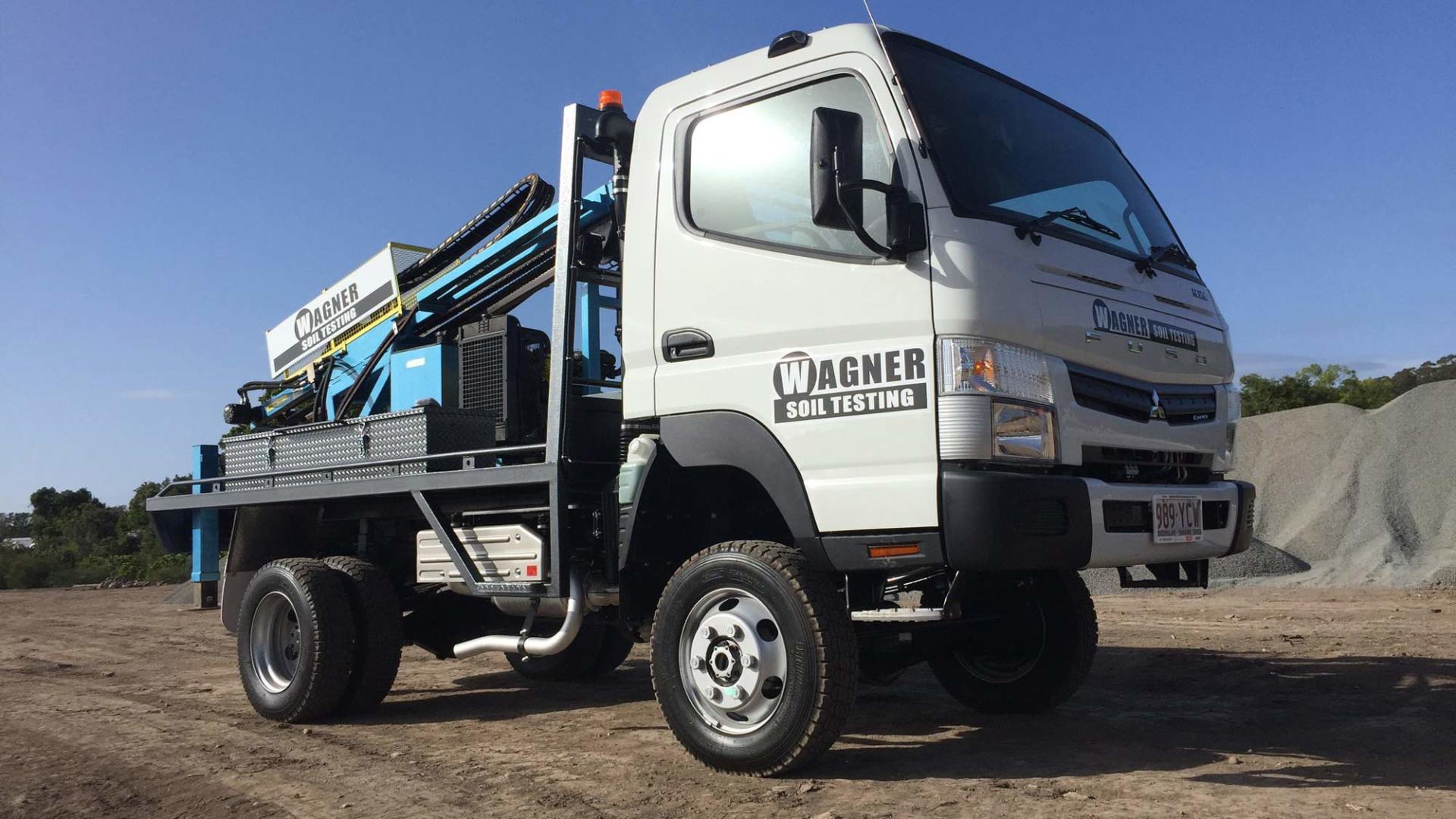
We ask where the house, addition or pool will go and test that exact area. If the block is unsewered, Brisbane City Council assesses the on-site sewerage application, and the effluent assessment can be scheduled with the classification. When you book soil testing in Pullenvale, send photos of the access so we can plan the visit.