
Valley floor below the ranges
The northern part of Samford Valley is mountainous, with ridges reaching 370 m in the House Mountain Range, and that country is mostly undeveloped. The rest is valley floor that falls to about 50 m. Most homes sit on that floor on large rural residential parcels, with the South Pine River running east through the middle.
Slopes, fill and creek flats
Lots that climb toward the ridges usually need cut and fill to form a level platform, and the material under fresh fill can differ from the ground in the cut. Lower land near the river and its gullies can hold softer, wetter soil. Expect some clay. According to the QBCC, the majority of Queensland homes are situated on reactive clay soils, and our lab work measures how far yours swells and shrinks.
Why the class matters here
Homes in the valley are large, averaging 4.3 bedrooms in 2021, so slabs cover a lot of ground and can cross more than one soil type. A class set from tested samples lets the footing design suit the weakest part of the footprint. Where a lot is unsewered, the same visit can show whether the soil suits an on-site sewerage system.
How we test a Samford Valley block
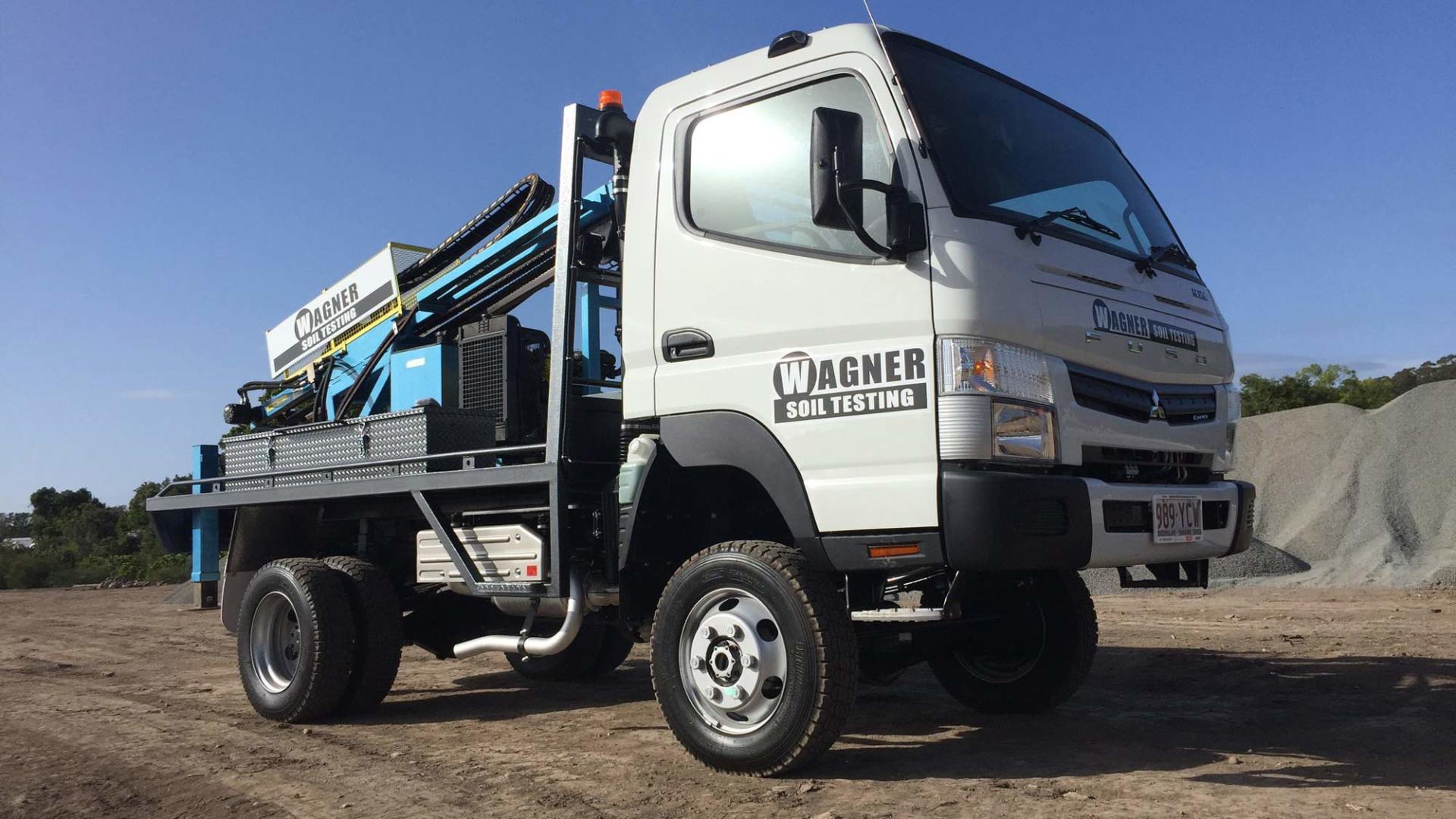
Tell us where the house will sit and whether earthworks are planned. When we do soil testing in Samford Valley, we first confirm the drill rig can reach the pad on steeper tracks, then sample across the footprint. Your builder or certifier receives a written soil report with the class and the lab results.